
Alcoholism: Definition, Symptoms, Traits, Causes, Treatment
Maybe you’re wondering if your drinking has https://ecosoberhouse.com/ become more than just a way to unwind. Or maybe you’re watching someone you love slowly slip away behind another drink. Adriana also has a private practice in San Francisco and travels around the world coaching and facilitating transformational and empowering workshops. Adriana is a certified hypnotherapist, Access Consciousness® Facilitator, and Neuro Emotional Technique (NET) Practitioner.
Risk factors
Body odor is a common issue stemming from poor hygiene in alcoholics. Regular bathing or showering becomes less frequent, allowing sweat, dirt, and bacteria to accumulate on the skin. The smell of alcohol on the breath or body may also mix with body odor, creating a distinct and unpleasant scent. Additionally, alcohol dehydrates the body, leading to dry, flaky skin and a general lack of freshness. These physical signs not only affect the individual’s appearance but also their interactions with others, as poor hygiene can be socially isolating. Some individuals also begin experiencing blackouts — gaps in memory after heavy drinking sessions.
How do I take care of myself?
If you notice frequent bruises, cuts, or unexplained injuries, they could be linked to excessive alcohol consumption. Depending on the signs and symptoms, you may have mild, moderate, or severe alcohol use disorder. Although alcohol may not be directly responsible for urinary tract infections, it is certainly an irritant that can amp up the painful symptoms of a pre-existing infection. It can also disrupt sleep and negatively impact the immune system in general, leading to more prolonged or painful infections. For those who are looking to avoid this, it’s best to stick to the guidelines. If you can’t avoid alcohol completely, this means limiting alcohol consumption to just one drink a day for women and two for men.
Alcohol-related body odor
- Alcohol use disorder (AUD) can manifest in various ways, both physically and behaviorally.
- Failed attempts to cut back or quit drinking entirely signal a loss of control.
It chips away at your mind and body little by little, and there is no light at the end of the tunnel. Alcoholism or alcohol use disorder can be effectively treated with medically supervised detoxification (detox), psychotherapy, medication management, and social support. When you receive personalized Sober living home care for alcoholism, you can begin to move toward recovery and sobriety.
Facial Redness and Broken Capillaries
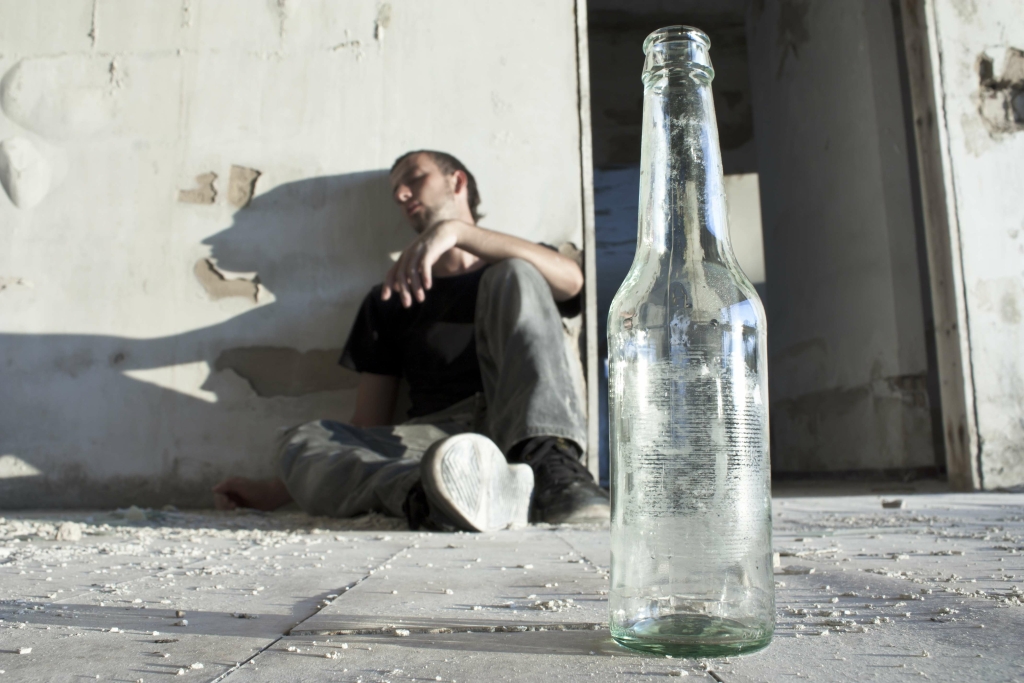
Persistent drinking even though negative consequences shows that alcohol has become a priority over safety and well-being. Drinking in dangerous situations demonstrates a disregard for safety that characterizes alcohol abuse symptoms. This behavior includes consuming alcohol before or while driving, operating machinery, or engaging in activities that require clear judgment and coordination. Abdominal discomfort, tenderness, or swelling can signal that the liver is working harder than it should. These digestive and appetite changes may seem minor at first, but they show how alcohol is already interfering with basic body functions.
In some people, the initial reaction may feel like an increase in energy. But as you continue to drink, you become drowsy and have less control over your actions. Alcohol use disorder can include periods of being drunk (alcohol intoxication) and symptoms of withdrawal. In this article, Avenues Recovery, leading alcohol and drug rehab specialists, expounds on the different alcoholic face changes that may indicate that physical signs of alcoholism someone is addicted to alcohol. It’s important to mention that although the symptoms may be an indication that a person is an alcoholic, it is in no way definitive. Refrain from making accusations or confronting anyone before you have confirmed in a gentle way that the person is actually using alcohol.
What Does an Alcoholic Look Like?
In summary, jaundice is a severe physical sign of alcoholism, directly linked to liver damage caused by excessive drinking. The yellowing of the skin and eyes results from the liver’s inability to process bilirubin due to alcohol-induced harm. This symptom serves as a critical warning of advanced liver disease and necessitates immediate medical attention. Addressing alcohol abuse and seeking timely treatment are essential steps to mitigate further damage and preserve liver health.